Uncover the Essential Services Offered by a Landscaper for Your Outdoor Space.
Outdoor specialists offer many essential services that enhance the aesthetics and utility of exterior areas. Their knowledge covers from outdoor layout and garden installation to ongoing lawn care and paving projects. Each service is essential in creating a cohesive environment customized for the homeowner's goals. Understanding these offerings can greatly impact the overall appeal and home value. What kind of work could revitalize your yard?
Landscape Design and Planning
Thoughtful outdoor planning is necessary for building a balanced exterior area that boosts both look and practicality. This process involves assessing the exact requirements and goals of the homeowner, as well as considering the characteristics of the site, such as ground conditions, sunlight, and weather patterns. A professional designer analyzes these factors to create a cohesive design that adds components like pathways, water features, and seating areas
The designer ensures that the design fits the structure of the home while adhering to local regulations and sustainability goals. Utilizing principles of balance, proportion, and unity, the expert develops a landscape that is attractive to the eye and practical for everyday use - Navarre Landscaper. By carefully choosing materials and plants that thrive in the given environment, the expert sets the groundwork for a long-lasting and welcoming yard that can be used all year, enhancing the overall quality of life for the residents
Planting New Gardens and Beds
Installing gardens and planting need thoughtful assessment of choosing the right plants and earth readiness procedures. Picking appropriate greenery guarantees compatibility with the local climate and earth composition, while adequate ground work encourages strong development. Together, these factors result in a successful garden environment.
Plant Selection Strategies
What steps can property owners take to make certain that their gardens flourish with varied flora? Effective plant selection strategies are vital to getting colorful and enduring yards. Property owners should begin by considering the specific climate and the particular environment of the gardening area, such as light exposure, moisture levels, and the kind of earth. Additionally, choosing local flora promotes ecological diversity and reduce maintenance requirements. Incorporating a mix of perennials, annuals, and shrubs offers constant aesthetic value and support local wildlife. It is recommended that homeowners to consider the size of the plants, hue, and feel to design attractive layouts. Consulting with a professional landscaper can also provide valuable insights into the best pairings of flora and appropriate times to plant that align with the garden's unique environment.
Techniques for Readying the Earth
Soil preparation is a critical step in guaranteeing a successful garden installation and establishing the plants. This process begins with soil testing to determine the pH balance and nutrient content, which guides required modifications. A landscaper may recommend incorporating organic material, such as aged manure or compost, to enhance soil structure and richness. Cultivating the ground allows air in, separating compressed zones and encouraging roots to grow. Additionally, good drainage is required to prevent waterlogging, which can harm plants. The professional will clear away rocks, weeds, or any other debris that may hinder growth. In conclusion, leveling the soil guarantees a uniform area for installation, thereby creating the groundwork for a healthy garden. Each technique contributes to the health and productivity of the landscape.
Maintaining and Caring for the Lawn

Lawn care and maintenance encompass essential practices that ensure a lush and thriving lawn. Important elements cover mowing and trimming techniques, proper fertilization for soil health, and successful approaches to manage weeds. Knowing these components can boost considerably the overall appearance and life span of home gardens.
Mowing and Trimming Techniques
When it comes to maintaining a pristine outdoor space, effective mowing and trimming techniques are essential for promoting healthy grass growth and enhancing the overall appearance of a garden. Consistent cutting stops weeds from taking hold and promotes dense, vibrant growth. A see guide height of 2.5 to 3 inches is ideal for most kinds of grass, as this helps develop deeper roots. Furthermore, employing well-honed mower blades ensures precise cuts, reducing stress on grass. Maintaining neat edges provides a refined appearance, while also curbing rampant growth that can invade planting areas and paths. Gardeners typically utilize diverse mowing paths when mowing to prevent the soil from becoming compressed and foster balanced growth. Taken together, these practices result in a flourishing and neatly kept outdoor space.
Fertilization and Soil Health
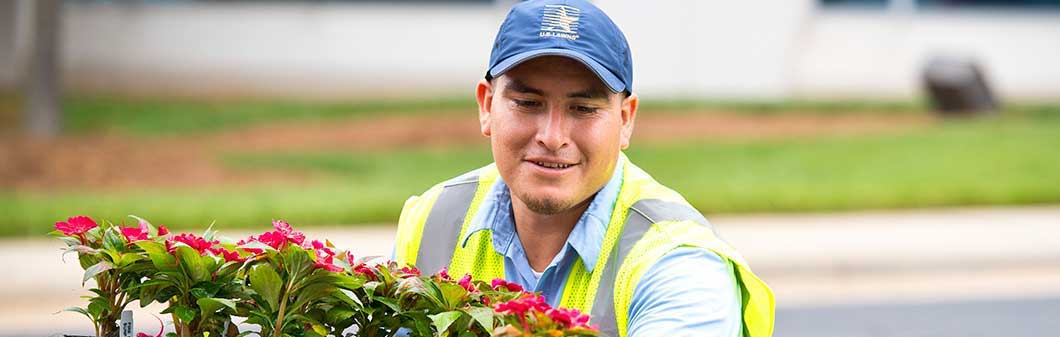
Despite often being neglected, fertilization is crucial in maintaining soil health and ensuring a vibrant landscape. A professional landscaper recognizes the necessity of providing the right nutrients to soil, which aids in botanical development and boosts the entire garden's vigor. Landscapers analyze the soil structure and decide on the needed modifications, choosing products that foster the perfect balance of nutrients for specific plants. This customized method helps in addressing deficiencies, fostering stronger roots, and enhancing tolerance to dry spells. In addition, proper fertilization practices can better the soil's makeup, promoting aeration and the ability to hold water. By maintaining healthy soil, landscapers contribute to lush lawns and flourishing gardens, leading to a more resilient environment. Therefore, consistent nutrient application, is a key component of good grass maintenance and maintenance strategies.
Approaches to Weed Management
Effective weed control strategies are crucial for keeping a vibrant and appealing yard, as weeds can rapidly overpower desired species for resources. Gardeners frequently use a blend of preventive and reactive measures to handle unwanted growth efficiently. Applying groundcover is a favored technique, as it suppresses weed growth while enhancing soil moisture. Consistent cutting and edging can also assist in restricting weed proliferation by stopping them from blooming and spreading seeds. Additionally, herbicides may be used selectively to target specific species without damaging the preferred vegetation. IPM strategies are widely adopted, by blending cultural methods, physical removal, and chemical options in order to create a balanced solution. By implementing these strategies, landscapers guarantee the longevity and beauty of gardens and lawns.
Hardscape Design
Hardscaping solutions are essential in improving the functionality and aesthetic appeal of landscapes. Such elements encompass retaining walls, patios, and walkways, and decorative structures that offer structure and organization to outdoor areas. By incorporating materials including concrete, brick, and stone, hardscaping creates durable surfaces that facilitate various outdoor activities, such as gardening or entertaining guests.
Hardscaping elements also can define spaces, directing traffic and establishing focal points within a garden. Effective hardscaping can also reduce soil erosion and enhance drainage, leading to a healthier landscape.
Landscapers typically partner with homeowners to design tailored hardscaping solutions that complement existing features and fulfill specific requirements. This partnership ensures that the hardscaping does more than just enhance the beauty of the property but also is consistent with the homeowner's lifestyle and tastes. Overall, hardscaping is a crucial aspect of landscape design that provides both utility and visual interest.
Watering and Drainage Solutions
Irrigation and drainage systems are vital parts of landscape management, making sure plants get enough water while preventing excess moisture that may lead to root rot and other problems. Landscapers design and install various irrigation systems, including drip, sprinkler, and soaker hoses, customized for the specific needs of the garden. These systems optimize water usage, promoting healthy plant growth and saving resources.
Conversely, drainage systems, are essential for handling too much water runoff. Landscapers assess the landscape to pinpoint locations where water gathers, and put in place solutions such as catch basins, French drains, and grading adjustments. Proper drainage prevents erosion and maintains the integrity of hardscape components. Collectively, these systems establish a balanced environment, ensuring that gardens thrive and lessening the dangers associated with water accumulation, which enhances the overall look and functionality of outdoor spaces.
Seasonal Maintenance and Preparation
A thorough seasonal cleanup is essential for maintaining the health and beauty of home gardens. As seasons change, landscapes require attention to remove debris, dead plants, and fallen leaves that can harbor pests and diseases. Landscapers conduct these cleanups to prepare gardens for the upcoming season, guaranteeing that soil and plants can thrive.
In spring, they clear out winter remnants, allowing new growth to flourish. During fall, they focus on removing dead foliage and prepping gardens for winter dormancy. This process often includes mulching, which protects plants and suppresses weeds.
Additionally, landscapers can assist in evaluating plant health and recommending necessary treatments or replacements. They may also check irrigation systems to confirm proper functionality, preventing water waste and promoting plant vigor. Ultimately, seasonal cleanup and preparation not only enhance the garden’s appearance but also set a strong foundation for future growth and sustainability.
Outdoor Lighting and Aesthetic Enhancements
While many homeowners focus on plants and structures, outdoor lighting and aesthetic enhancements play an essential role in transforming gardens and landscapes into inviting spaces (Navarre Landscaper). Strategic lighting not only illuminates pathways and highlights architectural features but also creates a warm ambiance for evening gatherings. A skilled landscaper can recommend various fixtures, such as solar lights, lanterns, or spotlights, tailored to enhance the home’s unique style
In addition to lighting, aesthetic enhancements such as decorative stones, sculptures, or water features can further elevate the visual appeal of outdoor areas. These elements provide focal points that draw the eye and create a cohesive design. By integrating both lighting and aesthetic enhancements, a landscaper helps homeowners cultivate a serene outdoor environment that is functional and aesthetically pleasing. Ultimately, these services contribute greatly to the overall enjoyment and value of residential properties, allowing outdoor spaces to shine both day and night
Frequently Asked Questions
How Do I Choose the Right Landscaper for My Project?
To choose the right landscaper, one should research local options, check reviews, request quotes, verify credentials, assess portfolios, and guarantee clear communication. This method assists in secure a professional that matches the exact demands and anticipated results of the project.
What's the Typical Price for Landscape Maintenance?
The average cost for professional landscaping usually falls between one thousand to five thousand dollars, depending on project complexity, location, and materials used. Property owners need to secure a few different bids to ensure they receive fair pricing and reliable results.
How Long Does a Typical Landscaping Project Take?
A typical landscaping project can take anywhere from a few days to several weeks, depending on the project's complexity, size, and the specific services required. Navarre Landscaper. Elements like the climate and the availability of materials might also impact how long it takes
Do Landscaping Companies Handle Post-Installation Upkeep?
Absolutely, most landscapers provide ongoing upkeep services once the job is complete. This continued service includes tasks such as mowing, pruning, fertilizing, and pest control to preserve the look and well-being of the outdoor space remain intact.
Can I Handle My Landscape Design Without Professional Help?
Of course, homeowners may develop their landscape design independently, by making use of different tools like literature, web applications, and examples from established landscapes. Nonetheless, expert advice might lead to a better design and secure the functional execution of the plans.
Comments on “Local Patio Plans Techniques”